
Heat Stress in Dairy Cows: Protecting Summer Milk in Kashmir
19 Jun 2026 • Falah Enterprises
Summer has arrived in Kashmir, and with the heat comes a problem every dairy farmer notices: the milk pail looks lighter. When the weather turns hot, cows and buffaloes feel the stress, eat less, and give less milk. Across India, dairy animals are losing 5–12% of their milk during peak summer heat. The good news? With a few simple steps you can protect your animal's health and keep milk production steady.
This guide from Falah Enterprises, your authorized GOKA Feeds distributor in Anantnag, explains heat stress in plain language — what to watch for, and what to do.
Why does milk drop in summer?
When a cow gets too hot, her body works hard to cool down. She breathes faster, drinks more, and — most importantly — eats less. Less feed means less energy, and less energy means less milk. High-yielding cows feel it the most, because they already produce a lot of body heat while making milk.
So the goal in summer is simple: keep her cool, keep her eating, and make every mouthful count.
Signs your cow is heat-stressed
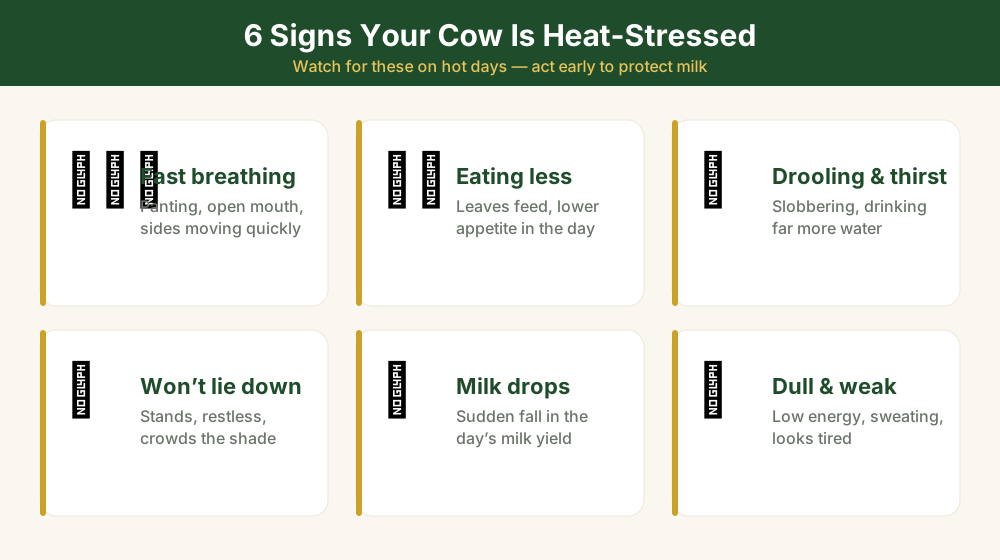
Watch your animals on hot afternoons. If you see fast breathing, drooling, less eating, restlessness, heavy water drinking, or a sudden milk drop — she is feeling the heat. Act early; don't wait.
6 practical tips to protect summer milk
1. Clean water, always. This is the most important step. A milking cow can drink 50–80 litres a day in the heat. Keep cool, clean water available at all times, in shade. When water is short, milk falls first.
2. Feed in the cool hours. Cows eat less in the midday heat. Offer most of the feed early morning and evening when it is cooler — this keeps her intake up.
3. Make every bite count — use a good energy feed. Since she eats less in summer, what she eats must be richer. A quality concentrate like GOKA cattle feed gives more energy and protein in less quantity, so milk holds steady even with lower intake. Browse GOKA feed products »
4. Don't overload on dry roughage at midday. Digesting a lot of dry straw or fodder creates extra body heat. Balance roughage with concentrate, and feed heavy roughage in the cooler evening.
5. Add minerals. Heat and heavy sweating drain minerals and salts. A good mineral mixture supports appetite, health and milk yield. Ask us which GOKA option suits your animal.
6. Shade and air. Keep animals out of direct sun from late morning to evening. A shaded, airy shed — even a simple one — makes a big difference.
Which GOKA feed is right this summer?
It depends on your animal and her milk yield — lower-yield cows, high-yield cows, buffaloes, calves and dry animals each need a different feed. Use our free Feed Calculator for a quick suggestion, or simply call and tell us about your animal.
When to call a vet
Heat stress is manageable, but if your animal stops eating completely, breathes very heavily, collapses, or runs a fever, contact your veterinarian immediately. Feed helps prevent problems — it is not a treatment for a sick animal.
We're here to help
Not sure what to feed this summer? That is exactly what we are here for. Call or WhatsApp Falah Enterprises in Nanil, Anantnag — we will guide you on the right GOKA feed and quantity for your cow or buffalo. No pressure, just honest help.
- Call: +91 95418 52196
- WhatsApp: Message us »
Frequently asked questions
How much does heat reduce milk? In peak summer, dairy animals commonly lose 5–12% of their milk, and high-yielding cows can lose more. Good feeding, clean water and shade reduce this loss.
Should I change my cow's feed in summer? Often yes — because she eats less, a richer energy feed helps keep milk steady. Contact us and we will suggest the right GOKA feed for your animal.
How much water does a milking cow need in summer? A lot — commonly 50–80 litres a day, and more for high-yielders. Always keep cool, clean water available.
This article is general feeding guidance for Kashmir's dairy farmers. For exact feeding advice or a sick animal, contact Falah Enterprises or consult an animal nutrition / veterinary expert.